Which Avalon Pontoon Is Right for Your Family? Start Here.
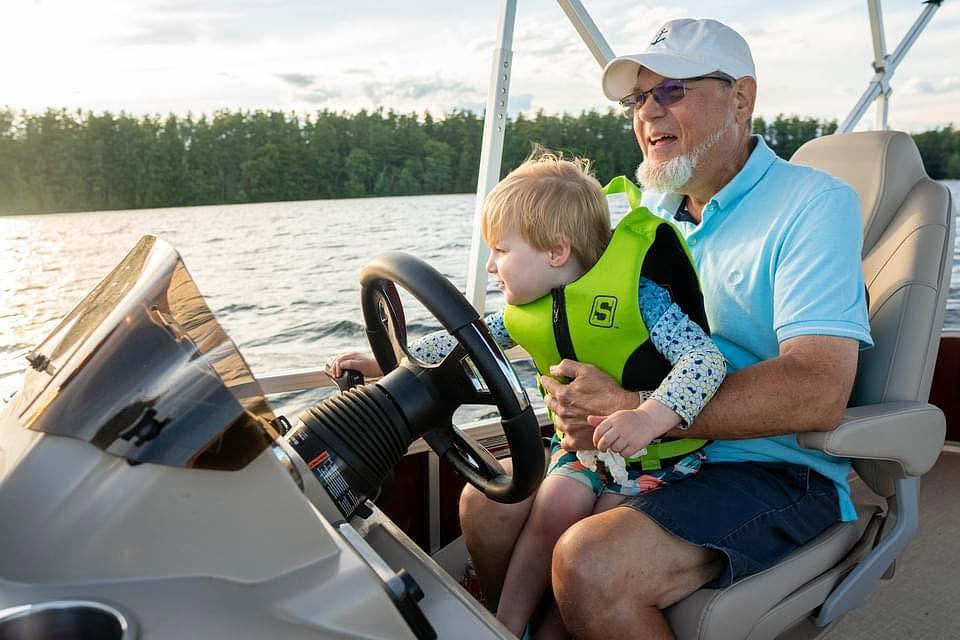
My biggest piece of advice? Buy the boat you'll still love five or ten years from now—not just the one that looks good sitting in the showroom.
I've spent more than 45 years in the marine industry and nearly three decades helping Clark Marine customers choose Avalon pontoons. That is a lot of boats, a lot of families, and a whole lot of opinions.
Here is my first one: the best boat isn't the fanciest one you can afford. It's the one you'll still be happy with five summers from now.
We have represented Avalon since 1998, when it was known as Playbuoy. I've watched the brand evolve, I've watched our customers' families grow, and—this part matters—I've worked on boats long after the shiny-new-boat excitement wears off.
So, where should you begin?
My starting point: the Avalon LSZ
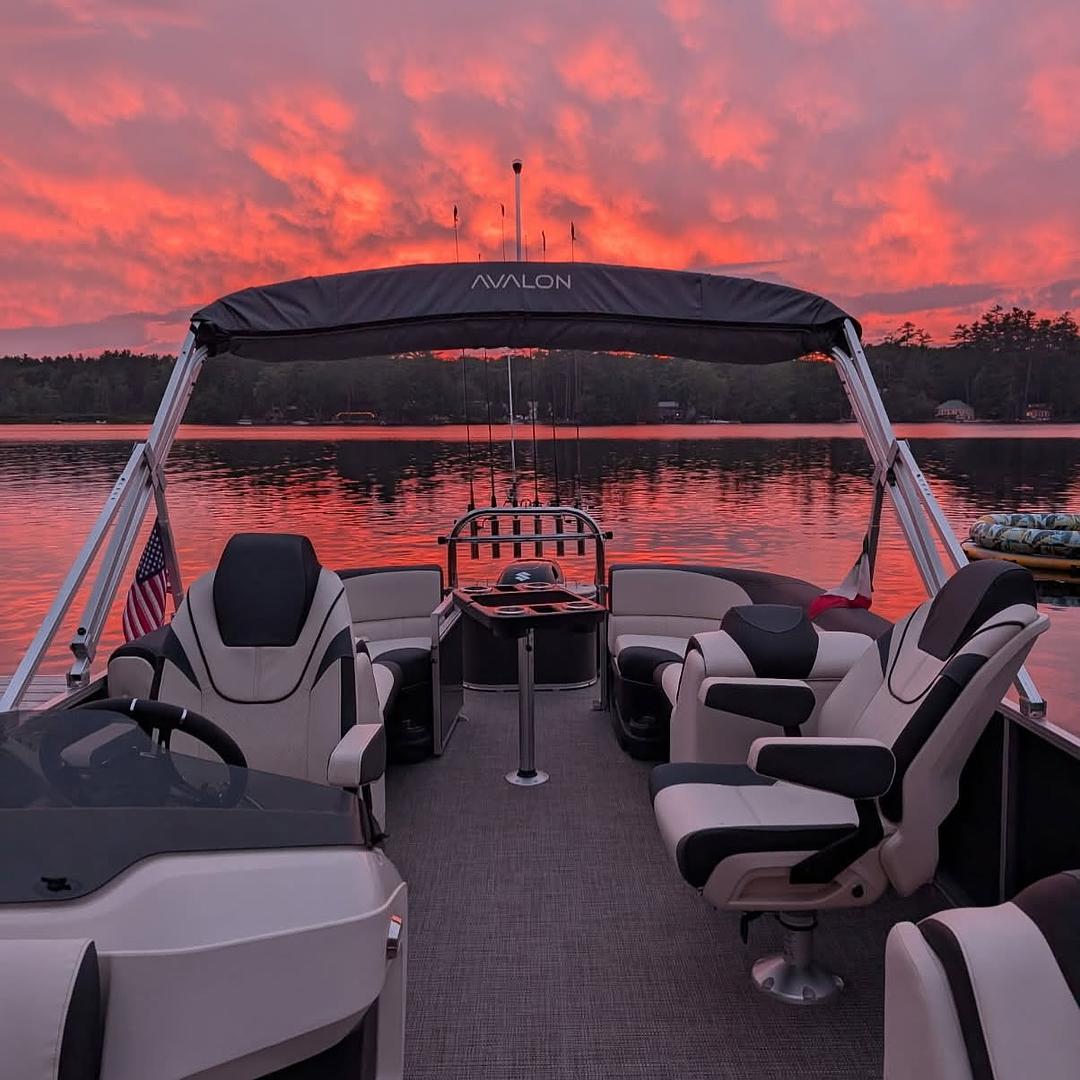
If you walk into our Manchester showroom and tell me you want a good family pontoon but don't know where to start, we're probably going to look at an Avalon LSZ. It is our best seller for a reason. It's a great mid-range option: comfortable, versatile, and nicely equipped without automatically pushing you into the very highest trim levels.
Not everybody needs an LSZ. Some families will be better served by a more economical series; others want to explore luxury packages. But the LSZ is a useful place to get your bearings, and we can work up or down from there.
One thing I will not do is put you in a fancy trim with an engine that's wrong for the way you boat. I'd rather buy a lower trim and put the right horsepower on it. Gorgeous seats do not make an underpowered boat any more enjoyable.
A boat shrinks in the water
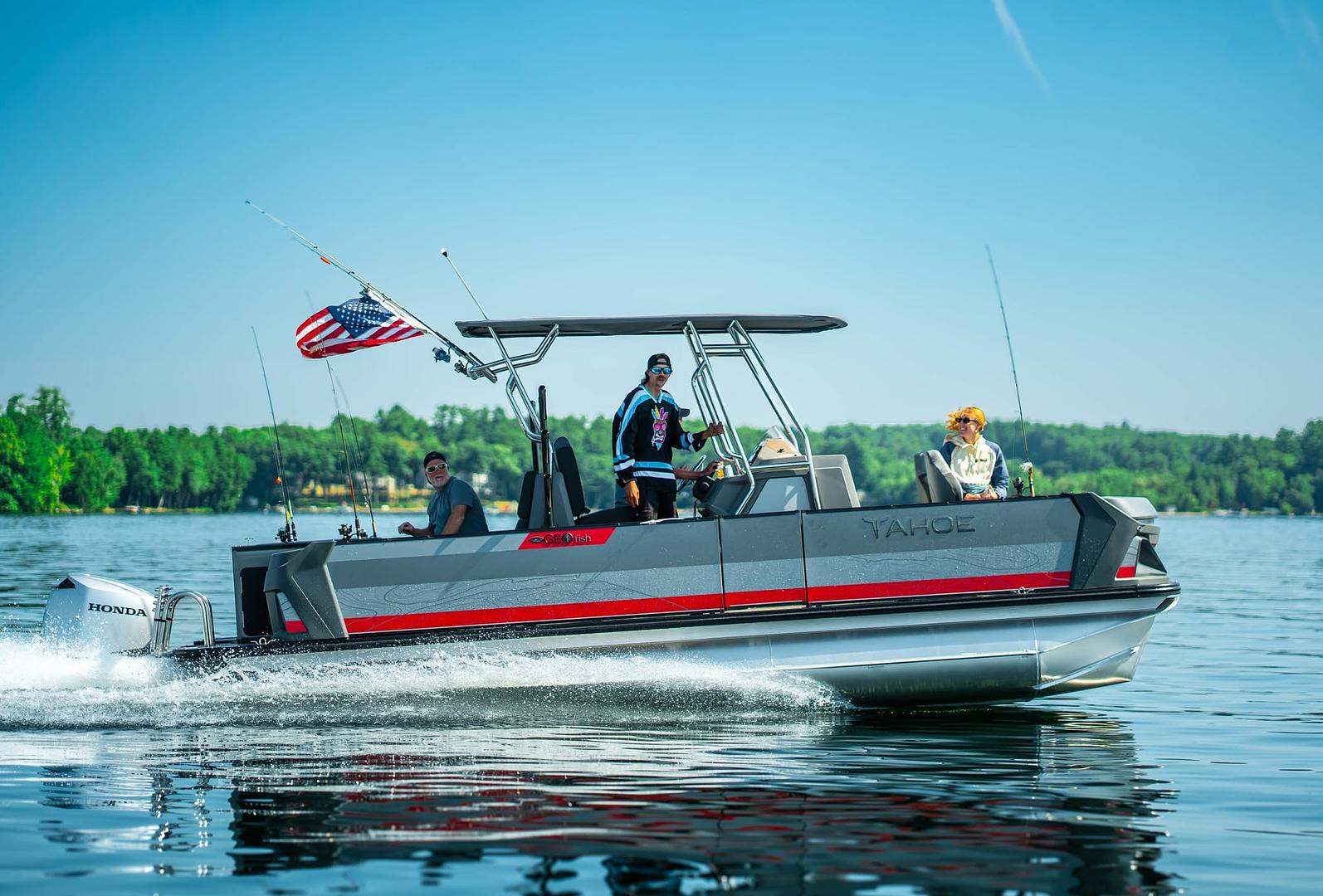
This is probably the advice my family has heard me give more than any other: a boat shrinks in the water.
No, not literally. That would make winter storage a lot easier.
A 25-foot Avalon sitting in our lot looks enormous. A couple will stare at it and say, "Good grief, Rob, it's only the two of us!" Then they see a properly configured 25-footer out on a big Maine lake and it looks perfectly at home. There's room to move, room for company, and a stable, comfortable ride when the hull, load, horsepower, and conditions are right.
Don't catch two-foot fever in the parking lot. Don't rule out a boat solely because it looks big out of the water. At the same time, I'm not going to sell you 25 feet just for the sake of it. The landing, dock, waterway, and your comfort handling it all have to make sense.
The three reasons people come back to trade

Over the years, three complaints stand out: not enough room, not enough horsepower, and not enough pontoons.
Maybe you usually go out with your spouse, but the grandchildren are bringing friends. Maybe you thought you'd just cruise, then discovered that everybody loves tubing. Maybe the lake is bigger and rougher than you planned for.
Think about the boating you'll do in two or three years, not just the first weekend. I'm not asking you to buy a boat twice the size you need. I'm asking you not to pay for the wrong boat twice.
Who is driving? And who's coming along?
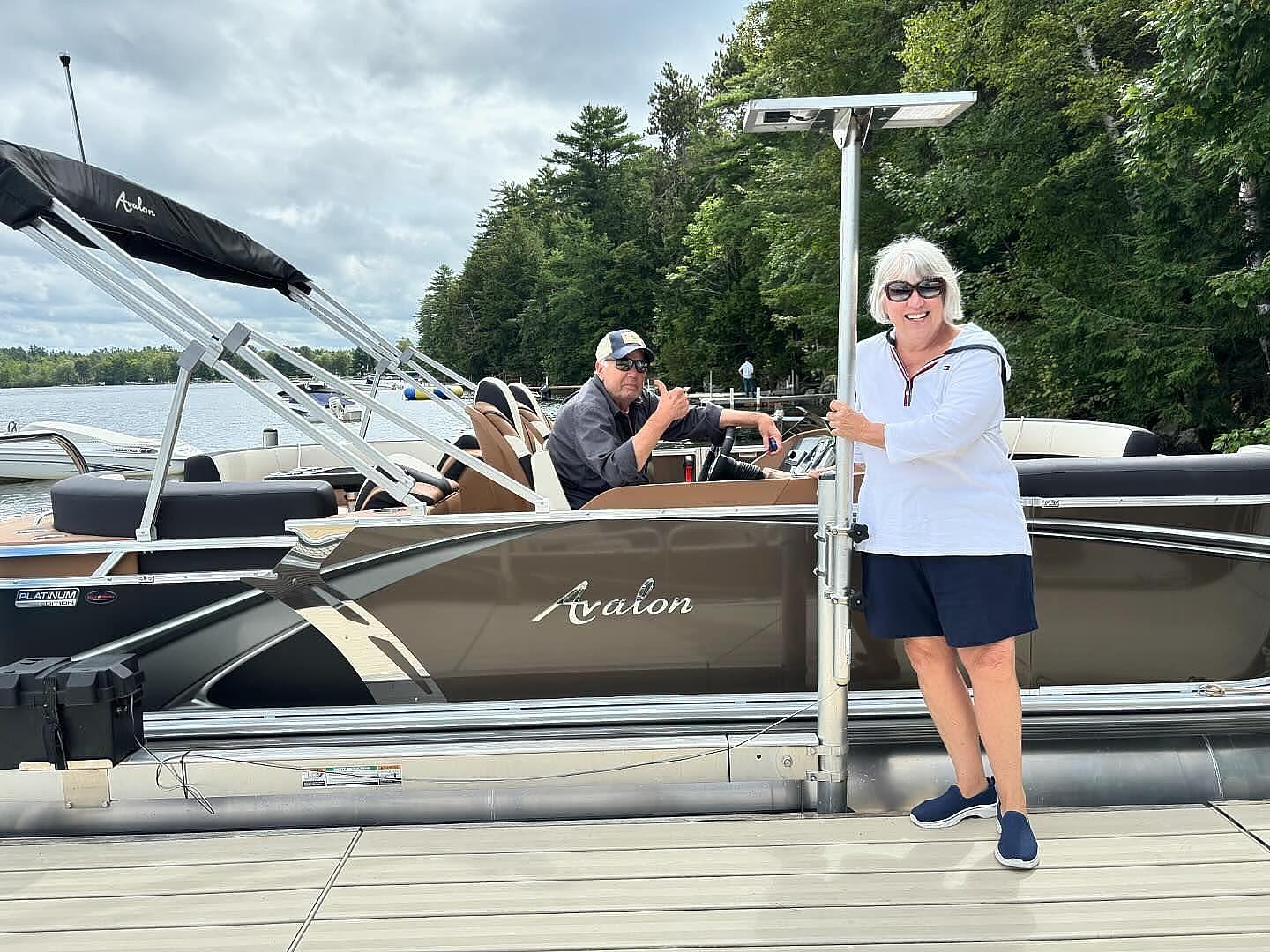
Before we narrow down a layout, I want to talk to the people who will actually operate the boat. Not only the person signing the check. One may have thirty years behind the wheel; another may be brand new. I want both to feel confident, and I want to help teach both.
Then we talk passengers. A family of five has a funny way of becoming a party of ten when the kids invite friends. Capacity ratings are not suggestions, so let's buy enough appropriate seating and rated capacity for the outings you actually want to have.
Which Avalon floor plan would I choose?
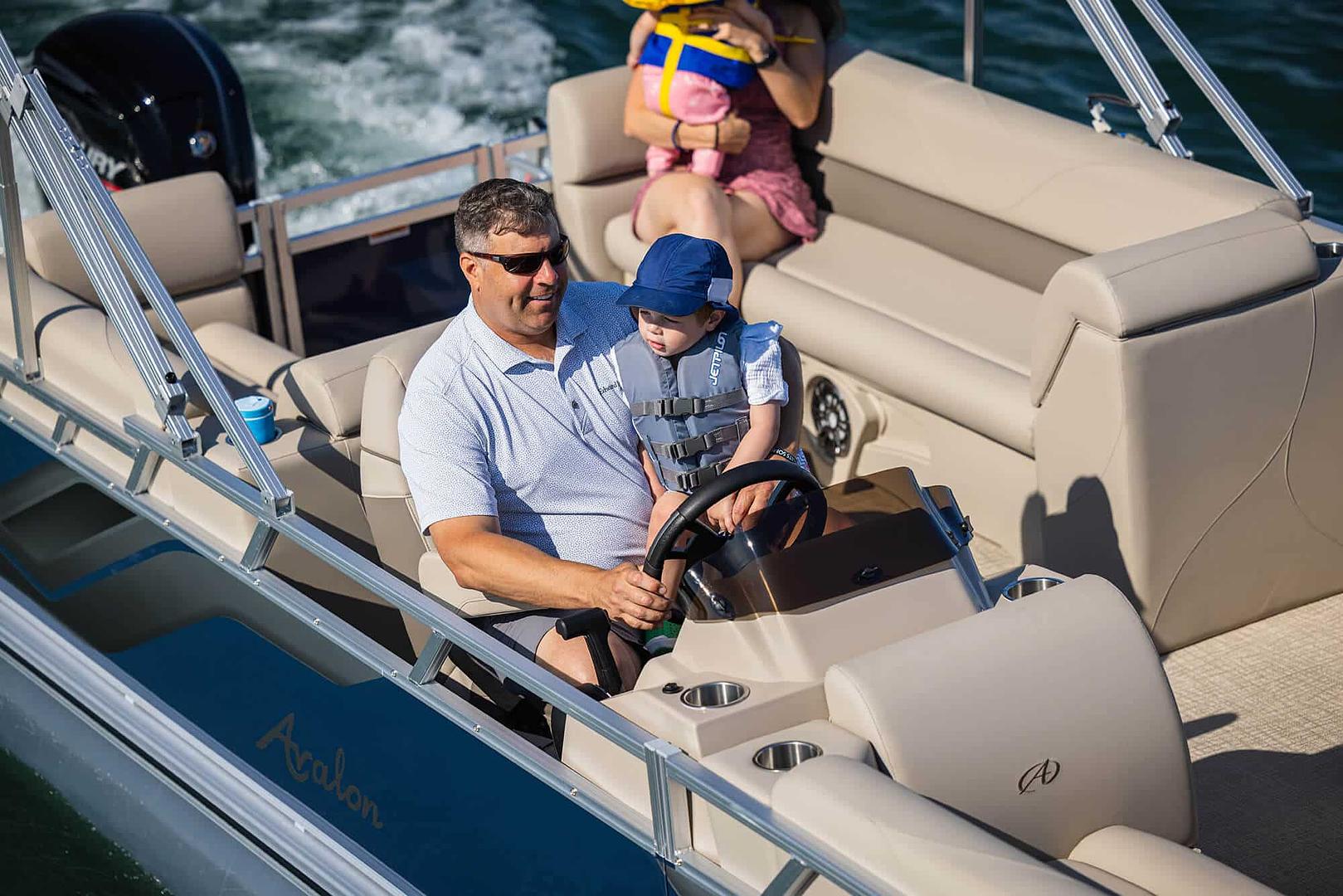
I'm a Cruise guy. The Cruise floor plan is practical, comfortable, and works beautifully for families who spend their time visiting, cruising, swimming, and enjoying the lake together.
We've also had a lot of success with Elite as an upgraded alternative and with Quad Lounge arrangements for people who like plenty of room to stretch out and socialize. Model-year availability and exact layouts vary, so we compare the specific boats, not just the names.
Here's my little showroom test: sit down. Get up. Walk to the gate. Pretend the cooler is on board and the grandkids have all decided to go swimming at once. Does the floor plan still make sense?
I also urge families with young children or pets to consider enclosed stern layouts rather than an open-back plan. The open designs look terrific, but a family needs to think carefully about barriers, gates, and supervision.
Match the motor and tubes to the lake
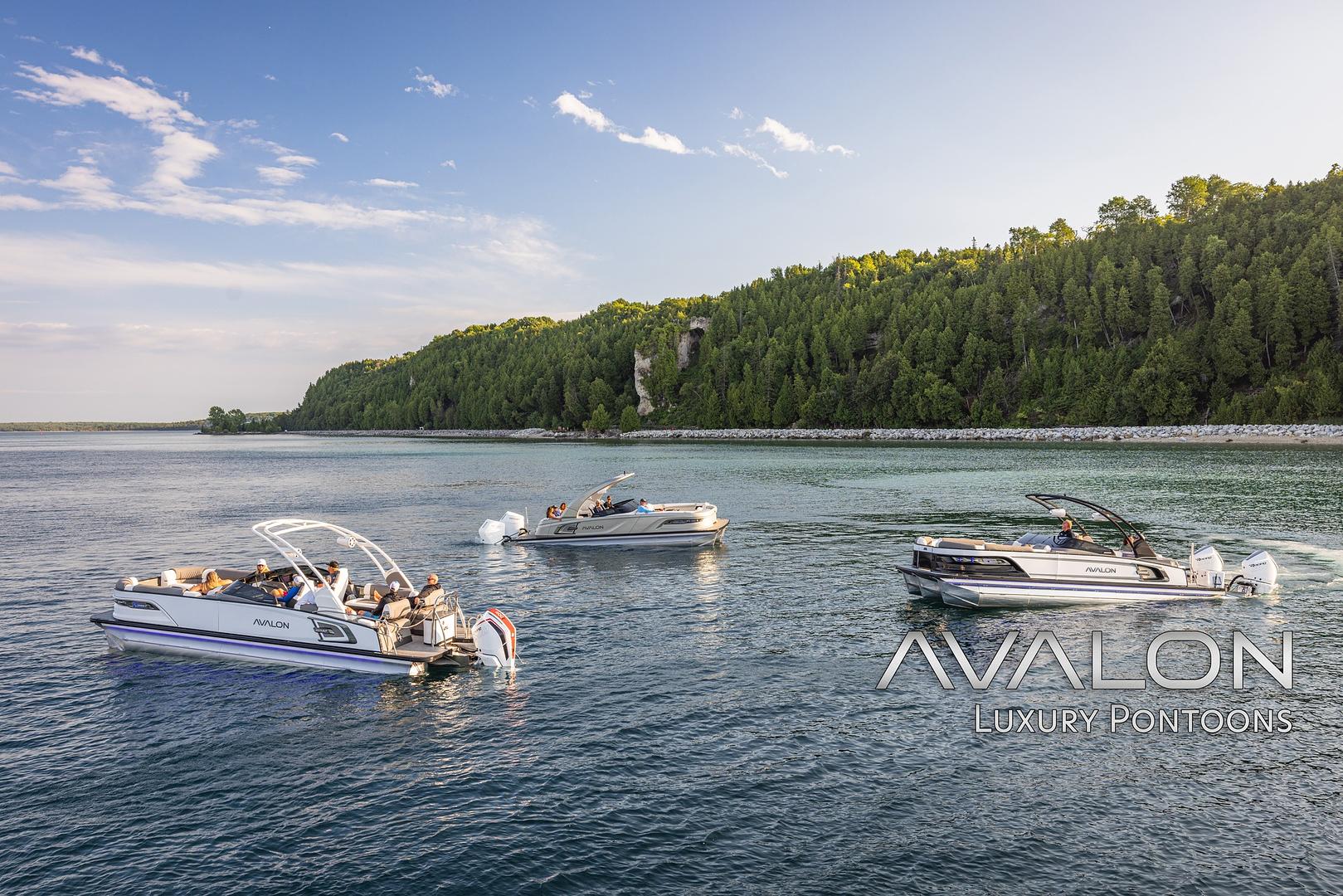
Not every pontoon needs the maximum permitted horsepower. But getting by with a little motor isn't automatically a bargain either. Specific engines deliver their power differently, and the right choice depends on the model, load, propeller, and what you plan to do.
We've liked many roughly 21-foot twin-tube boats paired with 115-horsepower outboards and properly configured 21-foot tritoons with 150-horsepower outboards, where the specific boat's ratings allow. Those are examples, not universal prescriptions.
And where you boat matters. Flying Pond is a different conversation from open water on Great Pond, Sebago, or Moosehead. On exposed lakes I often start by discussing more substantial tritoons, but conditions, access, operator experience, and the individual boat determine the answer.
I still remember operating a lightly furnished 24-foot service pontoon with a 40-horsepower motor years ago. Wind drove us toward a rocky shore, and I had nearly everything I could do to keep off the rocks. Experiences like that stay with a seasoned boat dealer.
You have to be able to live with the boat, too
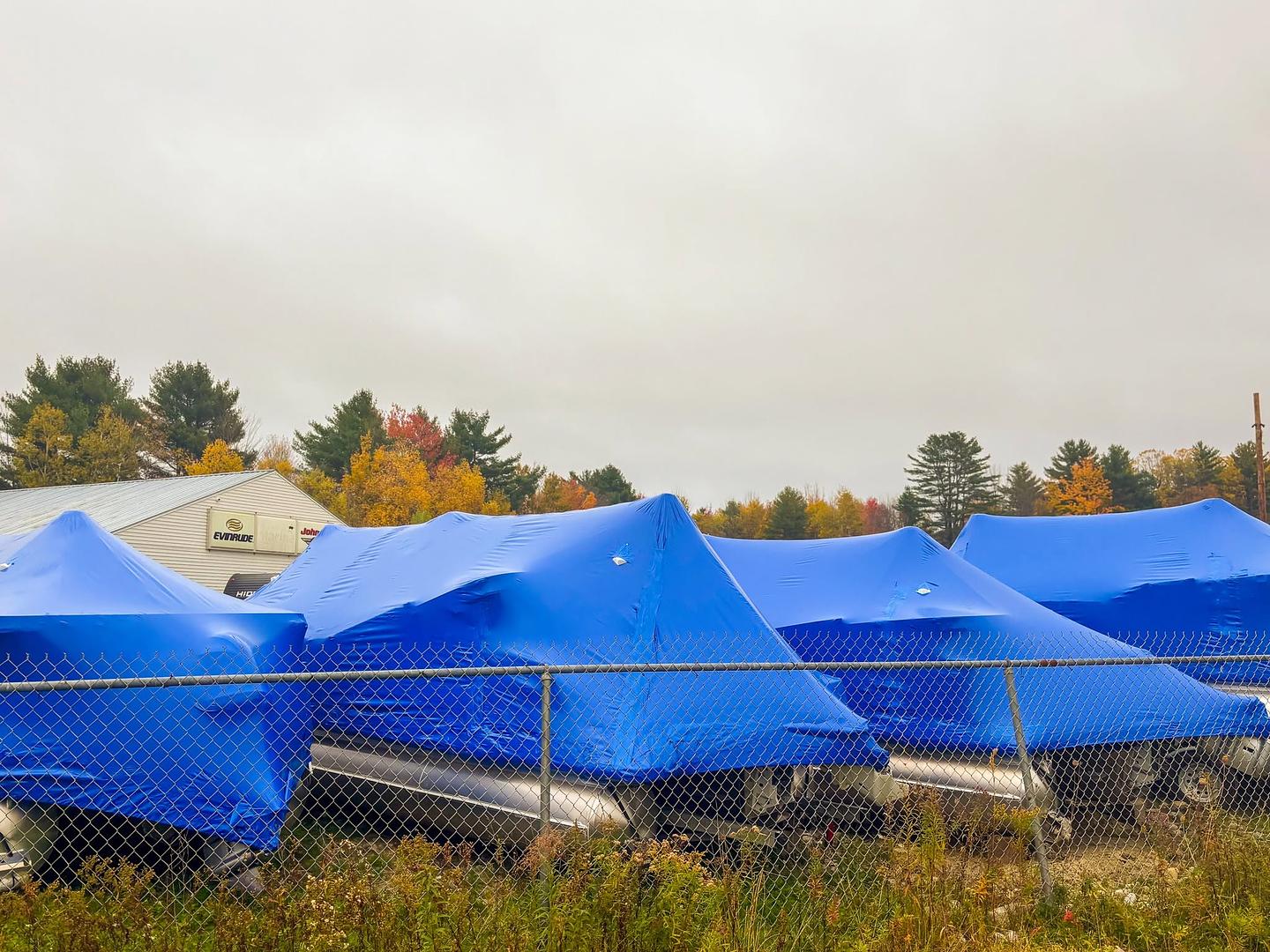
A bigger tritoon can cost more to bottom-clean, store, fuel, and maintain. A bigger motor may mean more oil and higher regular service costs. And you might not need to own a trailer at all if the boat lives at your dock all summer.
We'll go through the ownership math in another article in this series, because I want you to enjoy the boat and enjoy paying for it.
So what would I tell my own family?
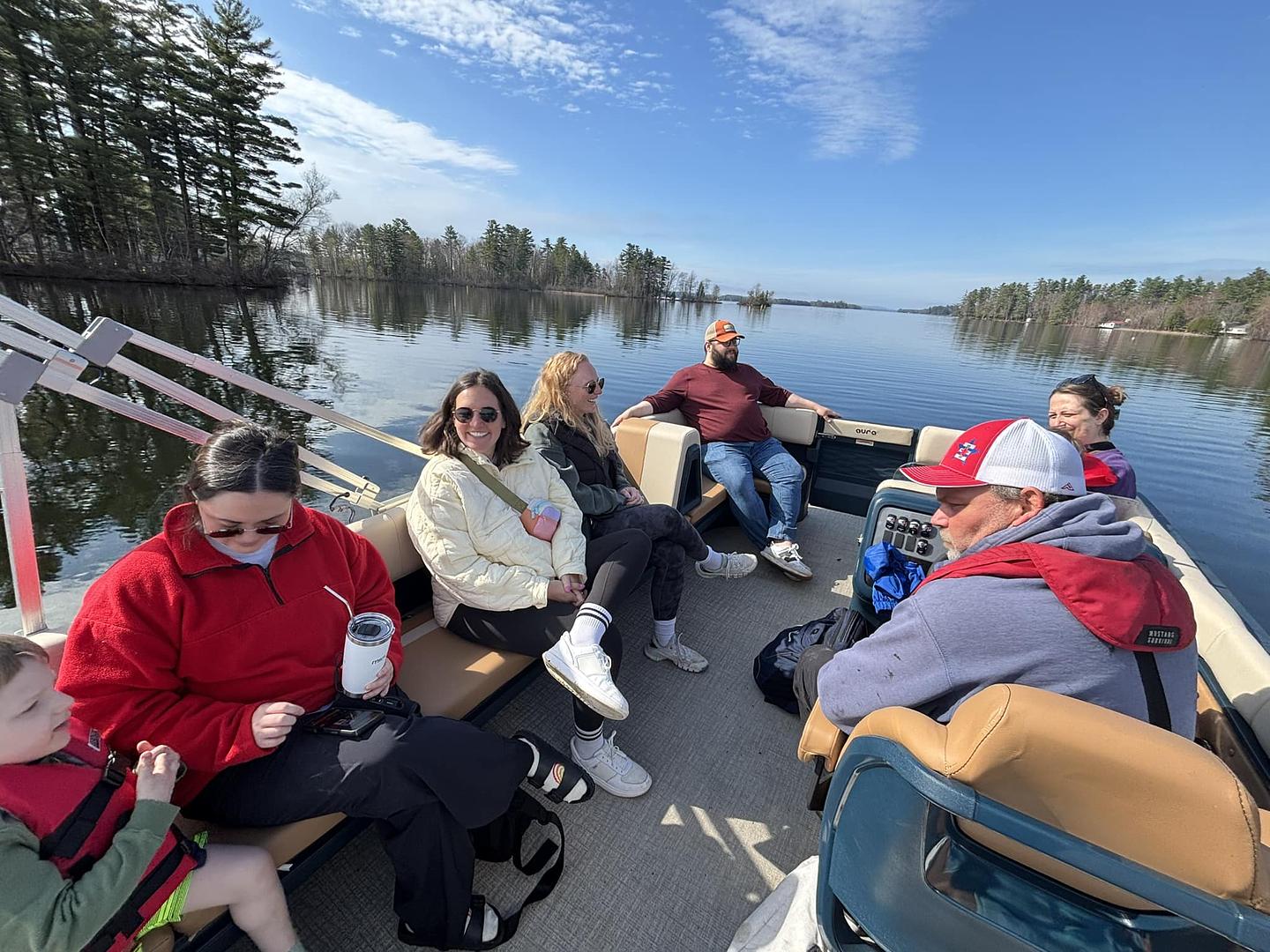
Start with the LSZ and a Cruise layout, then tell me why those options do or don't fit you. Bring your actual passenger count, your lake, your boating plans, and your budget. We'll choose a sensible size and motor before worrying about fancy extras.
I love Avalons. But my job isn't to sell you the largest one I can find. My job is to help you find the one you'll want to keep.
Key Takeaways: Rob's Advice for Choosing the Right Avalon
- When in doubt, start with the LSZ. It's Clark Marine's best-selling Avalon for a reason. It's a fantastic mid-range pontoon that balances comfort, quality, and value.
- A boat shrinks in the water. Don't let a 25-foot pontoon intimidate you in the dealership lot. Once it's on the lake, it can feel like just the right size—even for two people.
- Think about tomorrow, not just today. The three biggest reasons I see people trade their pontoons are not enough room, not enough horsepower, and not enough pontoons.
- Choose your floor plan for real life. I'm a big fan of Avalon's Cruise layout, but Elite and Quad Lounge configurations are worth exploring depending on how your family boats.
- Get the horsepower right the first time. You don't necessarily need the biggest motor available, but you certainly don't want to be wishing you'd bought more power.
- Your lake matters. The ideal boat for a small, protected pond may be very different from one intended for Great Pond, Sebago, or Moosehead.
- Think beyond the purchase price. Bigger boats, larger engines, and tritoons can cost more to maintain, clean, and store. Buy a boat that fits your long-term budget, too.
My biggest piece of advice? Buy the boat you'll still love five or ten years from now—not just the one that looks good sitting in the showroom.
Come visit us at Clark Marine in Manchester, Maine, or explore the Avalon selection at www.clarkmarinemaine.com. And bring your questions. I've certainly got opinions.